
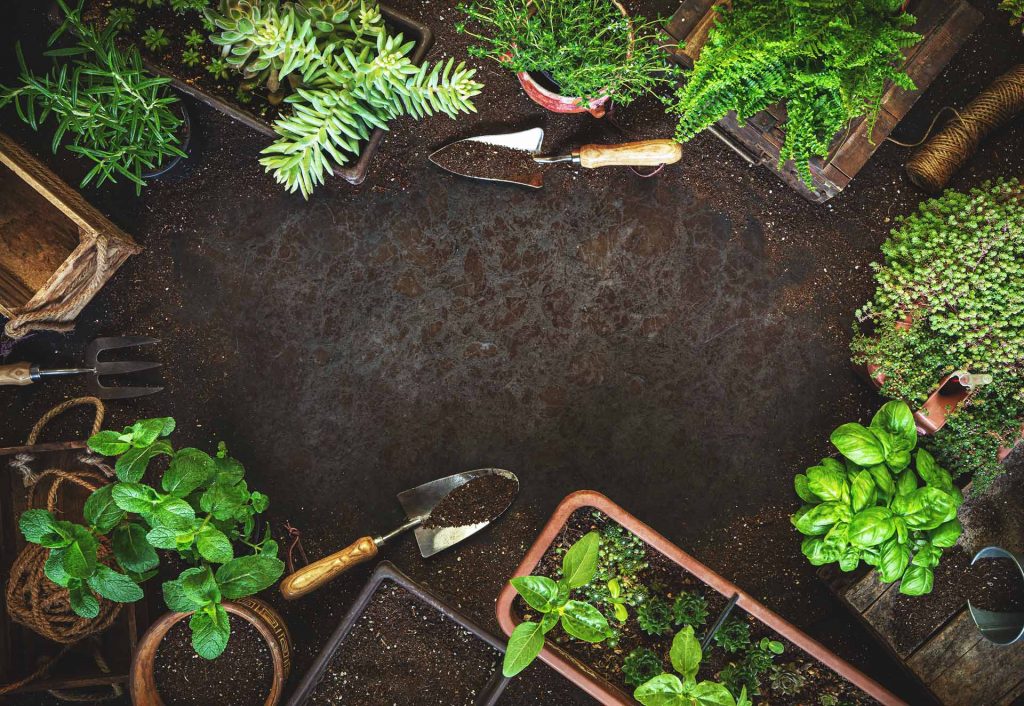
What is garden landscaping?
Garden landscaping is the process of designing and creating a garden space that is functional, aesthetically pleasing, and well-suited to the needs and preferences of the homeowner. There are many different approaches to garden landscaping, and the specific design elements and features that are included will depend on the size, shape, and character of the garden, as well as the intended use and the personal tastes of the homeowner.
Common elements of garden landscaping
Some common elements of garden landscaping include:
Planting beds: These are areas of the garden that are dedicated to growing flowers, herbs, vegetables, or other types of plants. The plants may be arranged in a formal pattern or a more natural, informal style. They may be chosen for their aesthetic appeal, fragrance, or other characteristics. To give your planting beds a polished and defined look, consider using galvanised garden edging.
Lawns: A lawn is a grassy area that is often used for recreational activities such as playing, lounging, or gardening. Lawns can be created from grass seed or sod, and they require regular maintenance to keep them looking healthy and attractive.
Paths: Paths are used to create a connection between different areas of the garden and to provide a safe and convenient way for people to walk around. Paths can be made from a variety of materials, including gravel, brick, paving stones, or wood chips.
Water features: Water features such as fountains, ponds, and streams can add a sense of tranquility and movement to a garden. These features can be as simple as a small fountain or as complex as a large pond with aquatic plants and fish.
Structures: Structures such as arbors, pergolas, gazebos, and sheds can provide shade, privacy, and a place to relax in the garden.
There are many other elements that can be included in a garden landscaping project, such as outdoor furniture, lighting, fire pits, and decorative features like sculptures or art.
Front garden landscaping ideas
Create a welcoming entrance: A well-designed front garden can create a warm and inviting atmosphere as people approach your home. Consider adding a small garden bed with colourful flowers or a small, welcoming pathway that leads to the front door.
Use plants to create privacy: If your front garden is visible from the street or a neighbouring property, you may want to use plants to create a sense of privacy. Tall shrubs or hedges can create a visual barrier, while vines or climbing plants can be used to add a green screen to a fence or wall.
Add outdoor seating: A front garden is a great place to relax and enjoy the outdoors. Consider adding a bench or a small seating area where you can sit and enjoy the view.
Create a focal point: A front garden is an opportunity to make a statement and add visual interest to your home. Consider adding a water feature, a sculpture, or a decorative element that serves as the centrepiece of the garden.
Incorporate functional elements: A front garden can also be practical and functional. Consider adding a small vegetable or herb garden, or a seating area with a fire pit or outdoor fireplace.

Back garden landscaping ideas
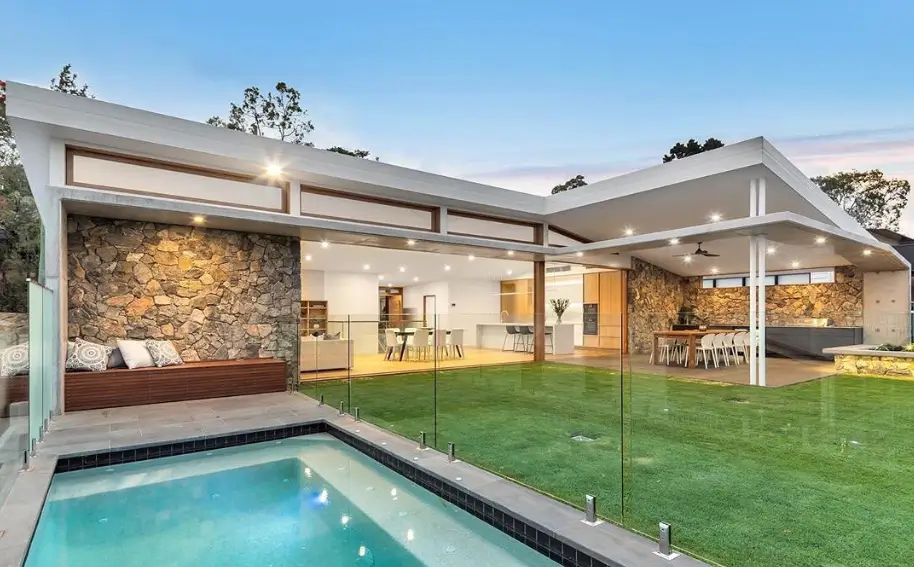
There are many different ways to landscape a back garden, depending on the size and shape of the space, the style of the home, and the personal tastes of the homeowner. Here are a few back garden landscaping ideas to consider:
Create a relaxing retreat: A back garden can be a peaceful and serene place to relax and unwind. Consider adding elements like water features, outdoor seating, and shade structures to create a comfortable and inviting space.
Add functional elements: A back garden can also be practical and functional. Consider adding a vegetable or herb garden or a small workshop or storage shed.
Incorporate natural elements: A back garden is a great place to connect with nature and bring the outdoors inside. Consider adding elements like a bird bath or feeder, a small pond or stream, or a wildflower garden.
Create an outdoor living room: A back garden can be an extension of your indoor living space. Consider adding outdoor furniture, an outdoor kitchen or grill, and other elements that make it easy to spend time outside.
Incorporate lighting: Good lighting is essential for creating a welcoming and inviting atmosphere in a back garden. Consider adding outdoor lighting elements like lanterns, string lights, or landscape lighting to highlight key features and create a sense of warmth and comfort.
Small garden landscaping ideas
If you have a small garden, you may feel like you don’t have much room to work with. However, with a little creativity and planning, you can turn even the smallest garden into a beautiful and functional outdoor space. Here are a few small garden landscaping ideas to consider:
Use vertical space: A small garden doesn’t have to be limited to ground level. Consider adding vertical elements like wall-mounted planters, trellises, or climbing plants to create more space for plants and add visual interest.
Go for low-maintenance plants: Choose plants that are well-suited to the size and light conditions of your garden, and consider those that are low-maintenance and drought-tolerant to minimize the amount of care they require.
Use furniture to define the space: Outdoor furniture can help create a sense of separation and define different areas within a small garden. Consider using a small table and chairs, a bench, or a bistro set to create a cozy seating area.
Add colourful accents: Small details like colourful pots, decorative accessories, or lighting elements can add visual interest and create a sense of warmth and personality in a small garden.
With a little creativity and planning, you can turn even the smallest garden into a beautiful and functional outdoor space.


