
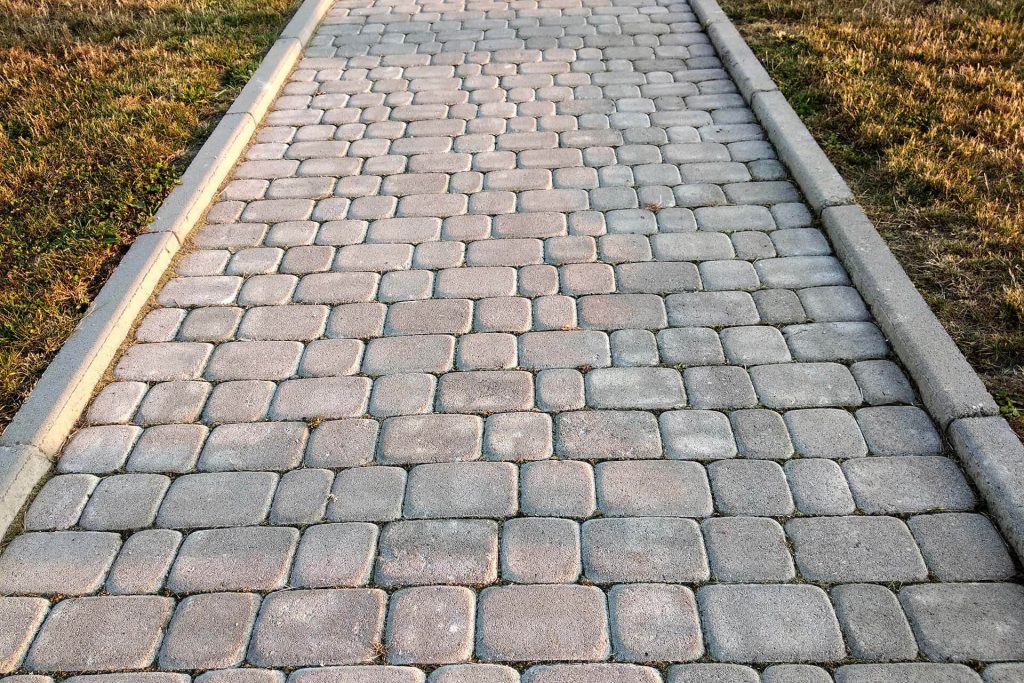
Rock landscaping involves the use of rocks and stones as a decorative element in the design of a landscape. These are no grass landscapes. This can include the incorporation of rocks and stones into garden beds, the use of rocks to create borders or retaining walls, the creation of rock pathways or walkways, and the use of rocks to create water features such as fountains or ponds.
Rock landscaping can add visual interest and texture to a landscape, as well as functional elements such as erosion control and drainage. It’s a popular choice for low-maintenance landscaping, as rocks and stones require little care and can help to reduce the amount of watering and weed control required.
Types of rocks and stones used in landscaping
There are many different types of rocks that can be used in landscaping to add visual interest and functionality to a garden or outdoor space.
Pebbles are small, smooth rocks that are often used as a mulch or decorative element in gardens and along walkways. They come in a variety of sizes and colors and can be used to create a polished and cohesive look.
Gravel is another popular choice for landscaping, as it is affordable and easy to work with. It can be used for pathways, driveways, and in garden beds to help with drainage and erosion control. Gravel comes in a range of sizes and colors, so it is easy to find a type that fits your design style.
Lava rock is a porous rock that is lightweight and easy to work with, making it a popular choice for landscaping. It is often used as a mulch or decorative element in gardens, as it helps to retain moisture in the soil and reduces the growth of weeds. Lava rock comes in a variety of colors, including red, black, and brown.
River rock is another popular choice for landscaping, as it has a smooth, rounded texture and is often used in water features and along walkways and gardens. It comes in a range of sizes and colors, including shades of grey, brown, and black.
Flagstone is a flat, sedimentary rock that is often used to create pathways, patios, and steps. It is durable and has a natural, rustic appearance that can add character to a landscape. Flagstone comes in a range of colors and patterns, including shades of grey, brown, and red.
Slate is a metamorphic rock that is often used as a decorative element in gardens and around water features. It has a smooth, polished texture and comes in a range of colors, including shades of grey, green, and purple.
Limestone is a sedimentary rock that is often used for walls, steps, and as a decorative element in gardens. It is a durable and long-lasting material that can add a classic, timeless look to a landscape. Limestone comes in a range of colors, including shades of grey, beige, and yellow.
Granite is a hard, igneous rock that is often used for walls, steps, and as a decorative element in gardens. It has a rough, natural texture and comes in a range of colors, including shades of grey, pink, and black.

Here are some ideas for rock landscaping in your front yard:
Create a rock garden by using a variety of sizes and types of rocks to add texture and interest to your garden bed. You can also incorporate plants that thrive in rocky soil, such as succulents.
Use rocks to edge your garden beds and walkways for a clean, finished look.
Use larger rocks to create a rock wall or border around your garden beds. This can help to define the space and add visual interest.
Create a rock pathway leading to your front door for an elegant and functional feature.
Incorporate a small water feature, such as a fountain or pond, into your rock landscape design. This will add a soothing element and attract wildlife to your yard.
Use rocks to create a dry creek bed to help manage excess water in your yard and add visual interest.
Consider using rocks to create a rock mulch around trees and shrubs instead of traditional wood mulch. This can help to retain moisture in the soil and reduce weed growth.

There are several benefits to using rocks in landscaping:
Low maintenance: Rocks and stones require very little care and maintenance, making them a good choice for those looking for a low-maintenance landscape.
Durability: Rocks are long-lasting and can withstand extreme weather conditions and heavy foot traffic.
Erosion control: Large rocks and stones can help to control erosion on slopes and hillsides.
Drainage: Rocks and stones can be used to improve drainage in areas that are prone to standing water.
Visual interest: The use of rocks and stones can add visual interest and texture to a landscape. They come in a variety of sizes, shapes, and colors, allowing for creative and unique design options.
Cost-effective: In comparison to other landscape materials such as wood or concrete, rocks and stones can be more cost-effective in the long run due to their durability and low maintenance requirements.
Environmentally friendly: Using rocks and stones in landscaping can be more environmentally friendly than using other materials, as they do not need to be replaced as often and are natural additions to your front yard landscape.


